

Frobisher Inn
Frobisher Inn
ᐳᕉᐱᓱ ᐃᓐ
Northern Canada's Comfort
ᐅᑭᐅᖅᑕᖅᑐᒥ ᑲᓇᑕᒥ ᐊᑲᕐᓂᖏᑦ
Where Adventures Meet
ᐊᓃᕈᓘᔭᓚᐅᖅᑐᓂᑦ ᑲᑎᑦᑐᑦ
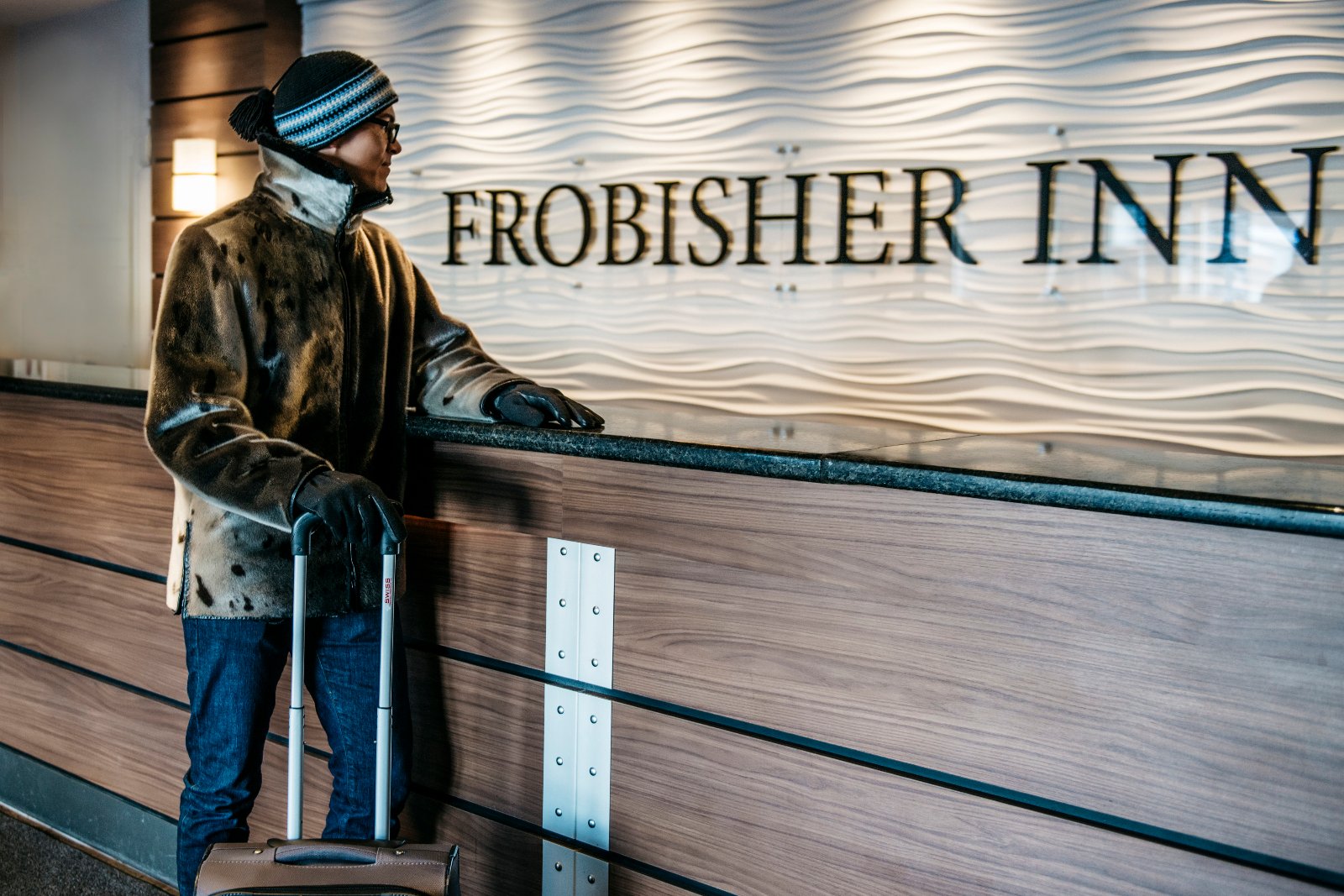
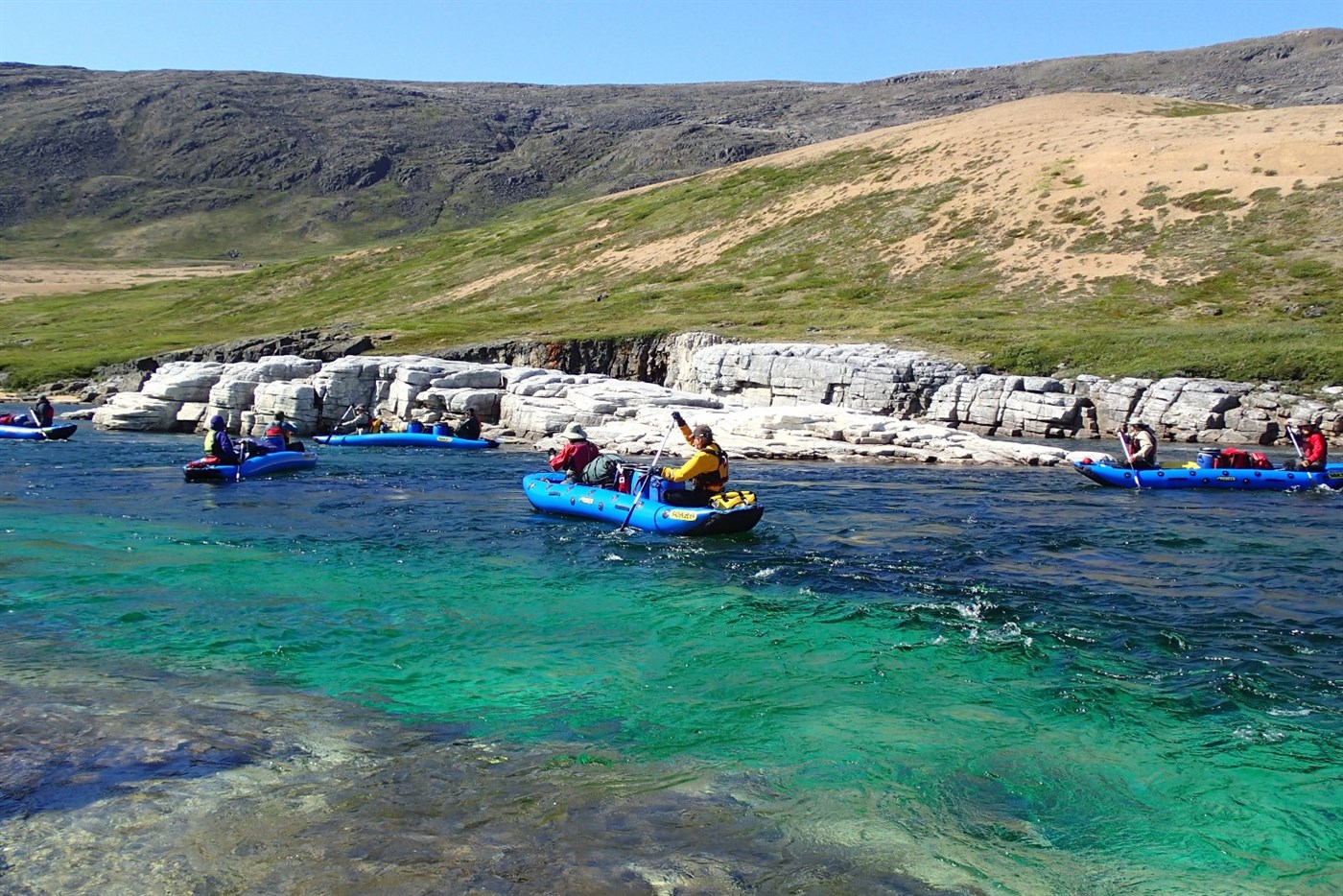
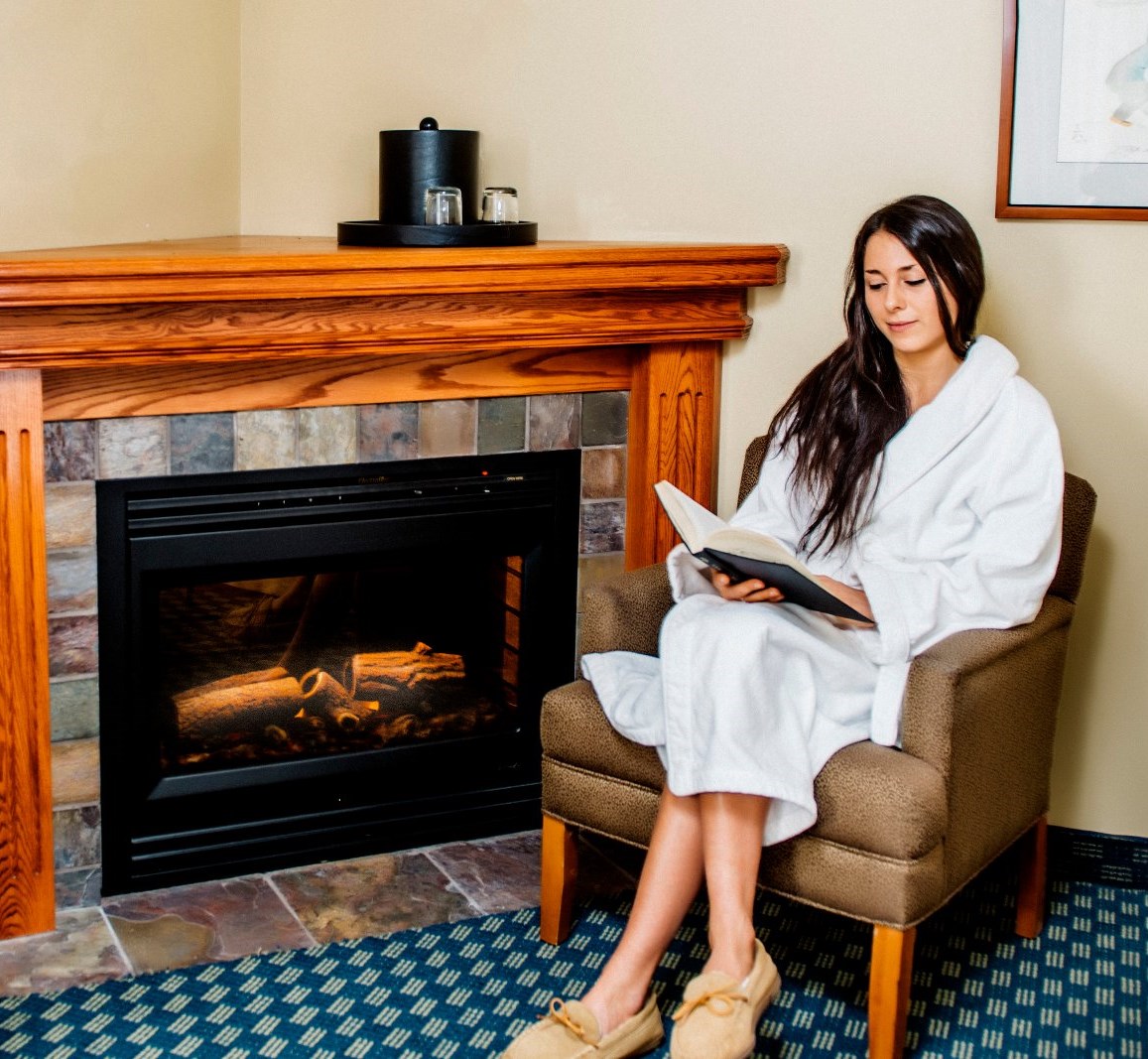
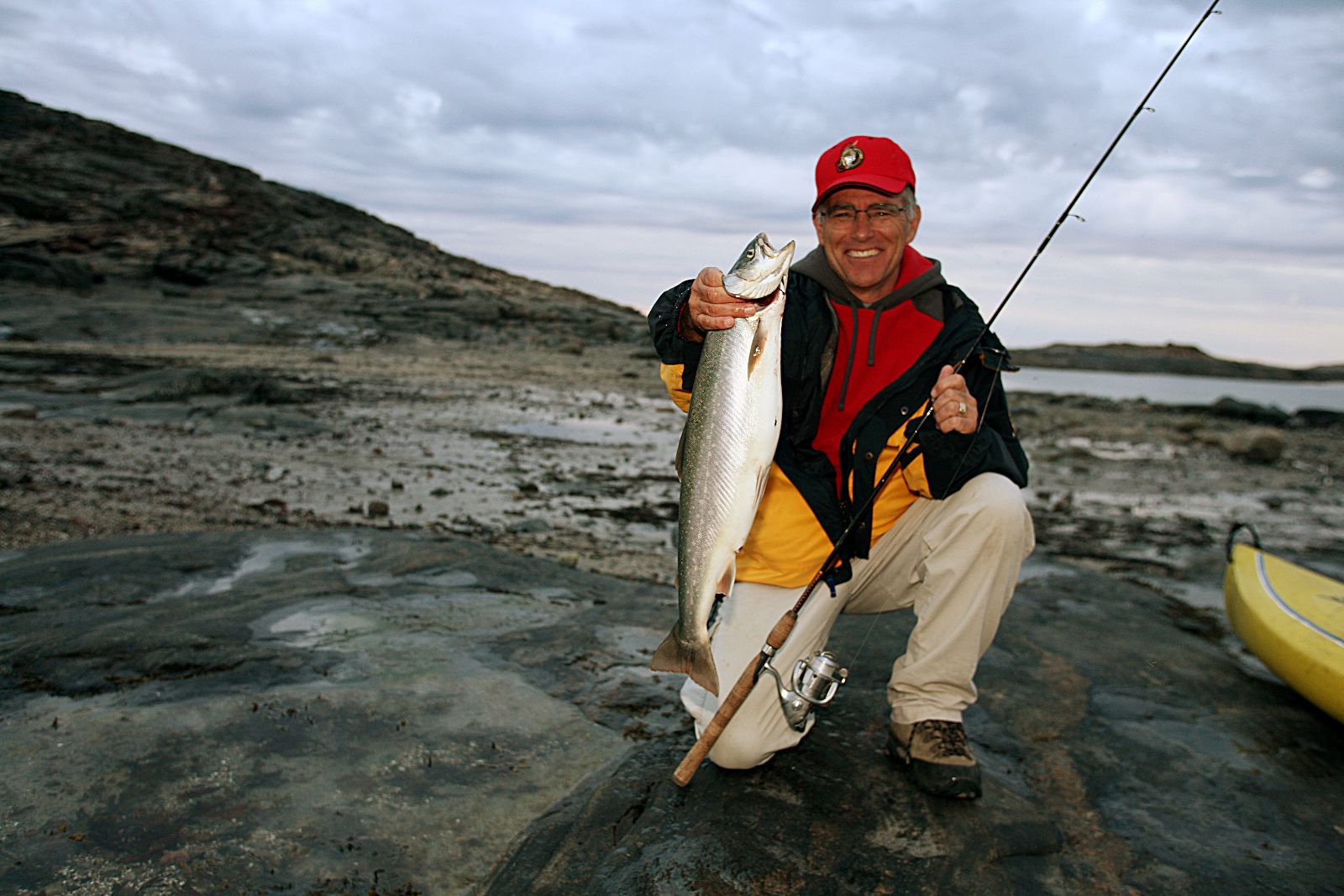
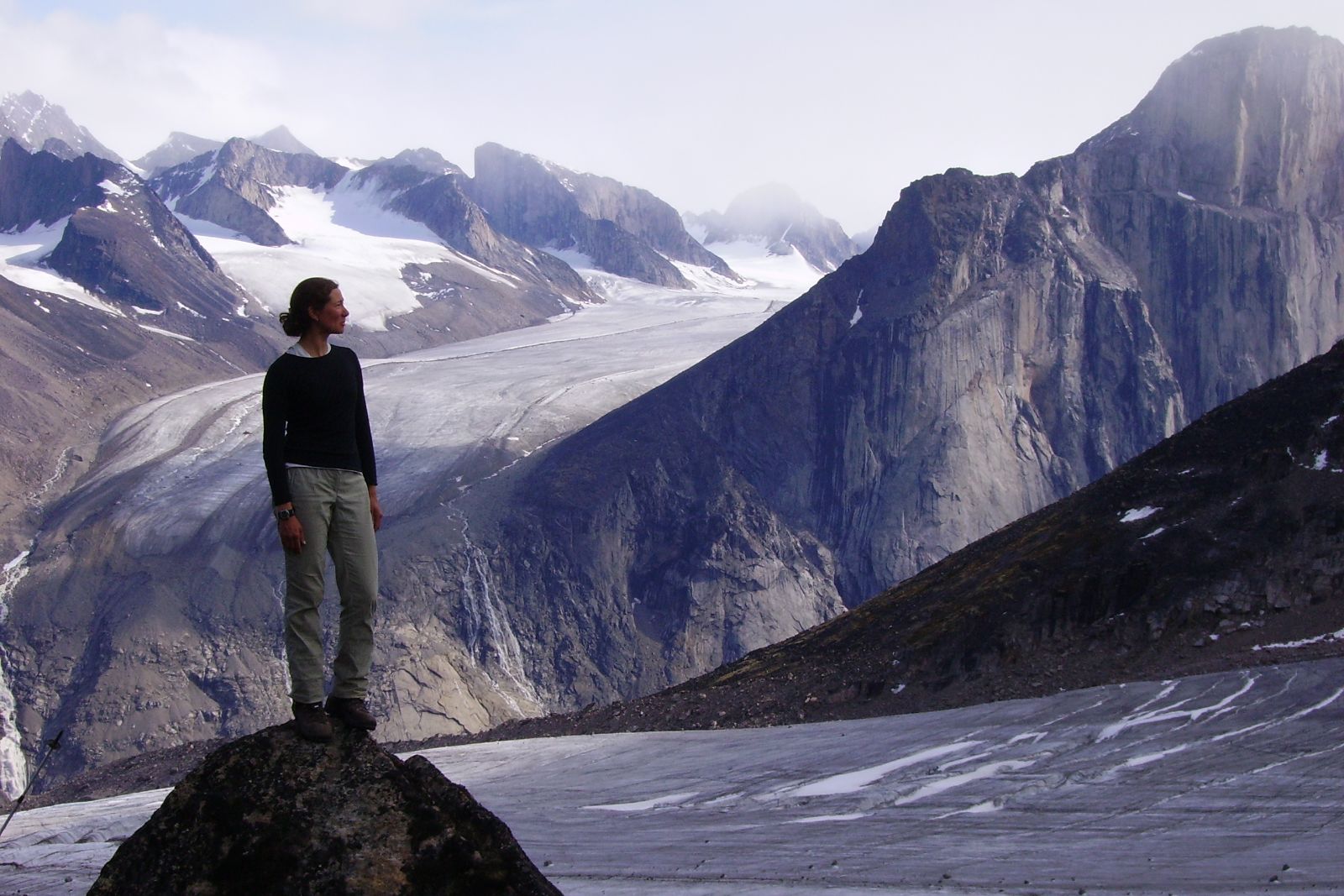
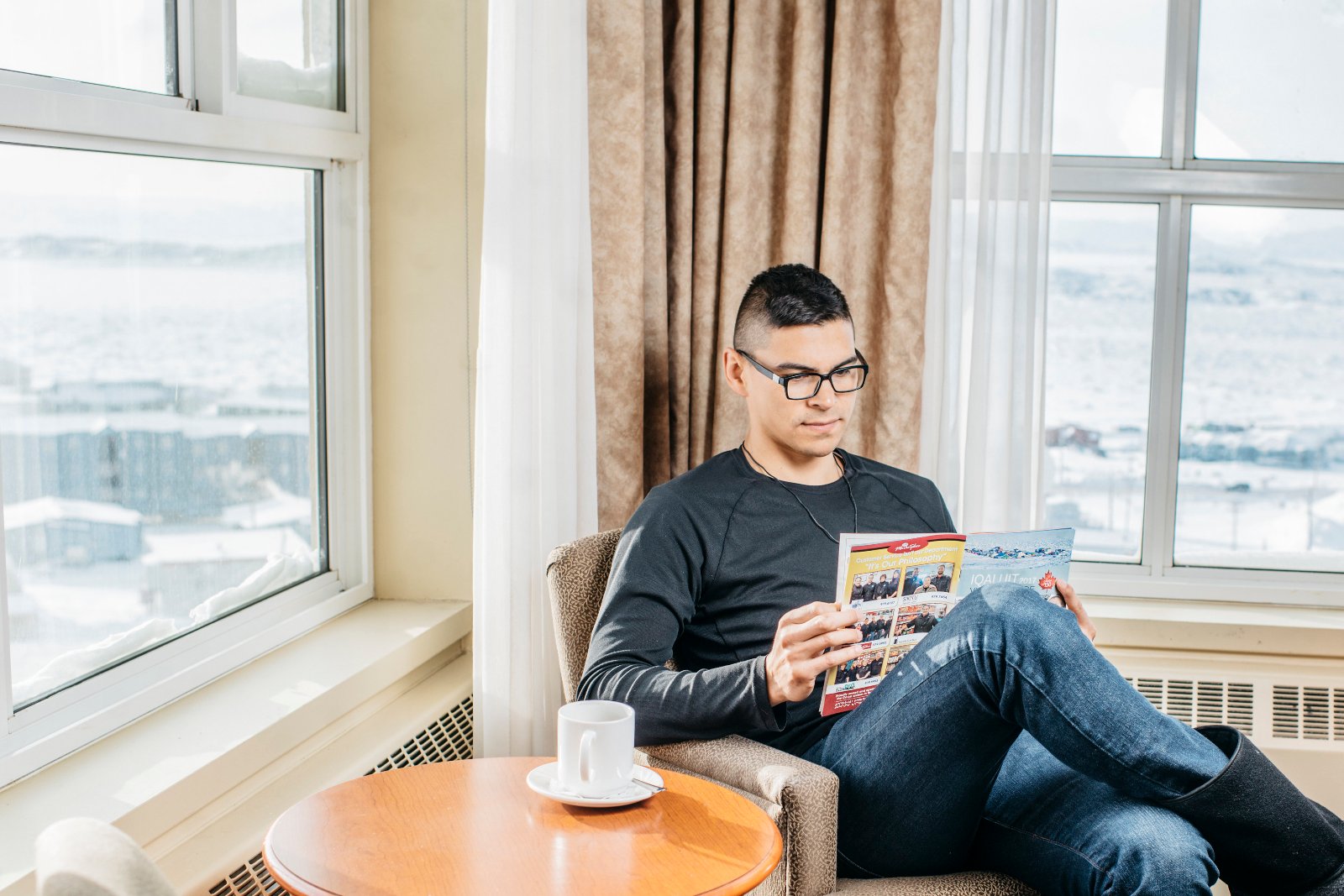
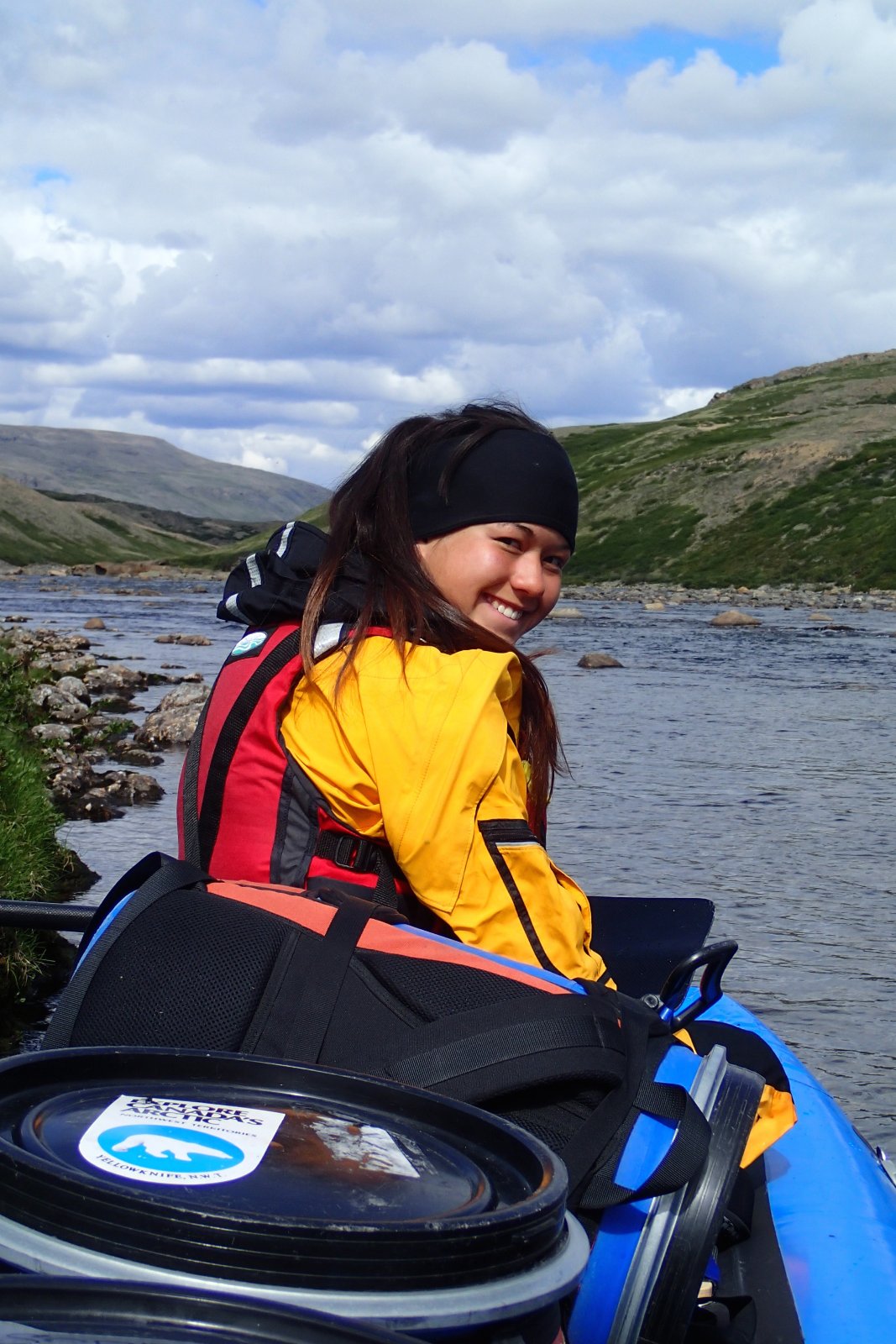
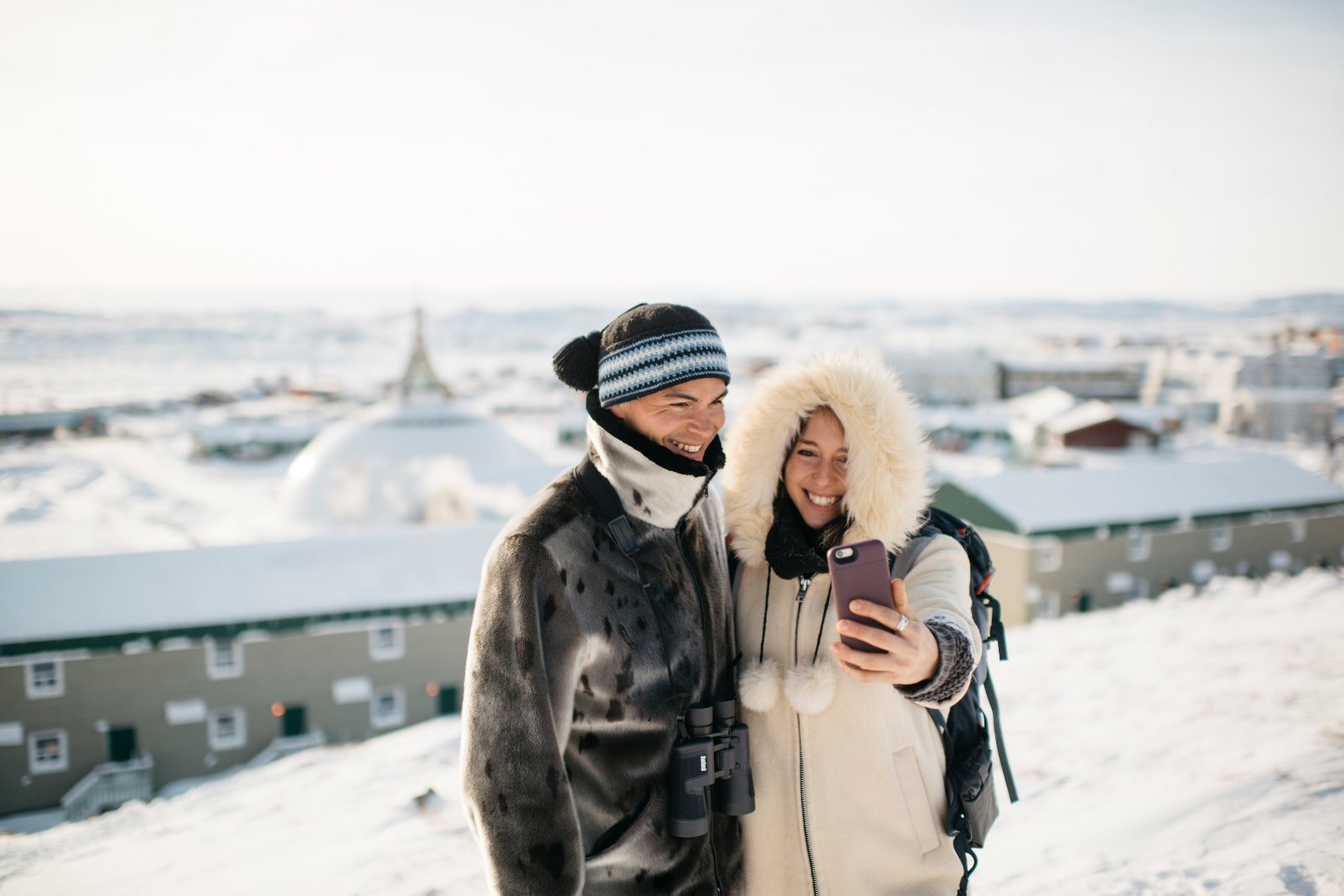
Opposites attract at Frobisher Inn. Days are full with Iqaluit’s adventure, while nights are complete with the calm of home. Enjoy the outdoor adventures in the crisp air with a trail hike, snowmobile ride or a watery swoosh of a kayak blade. Or play it cool exploring Inuit artisans, landmarks, or in-town cultural events. Either way, count on the warmth of the Frobisher Inn when your day's adventures are complete. In our Northern Iqaluit hotel, gourmet dining meets rustic luxury, meets clean lines, and meets boundless hospitality.
Welcome to our Northern paradise, where adventures meet.
ᐊᔾᔨᒌᓐᖏᑦᑐᓂᓛ ᑲᑎᓲᖑᒻᒪᑕ ᐳᕉᐱᓱ ᐃᓐᒥ. ᐃᖃᓗᓐᓂ ᖃᓄᐃᓘᕈᓘᔭᖅᑐᓂ ᐅᓪᓗᒃᑯᑦ, ᐅᓐᓄᒃᑯᑦ ᓴᐃᓕᓕᕐᓗᓂ ᐊᖏᕐᕋᒥ. ᖁᕕᐊᒋᓗᒋᑦ ᓯᓚ ᖃᓄᐃᓘᕈᓘᔭᖅᑐᓂ ᓂᓪᓕᓐᓇᑐᑯᓘᓪᓗᓂ ᐱᓱᑦᑐᓂ ᐱᓱᕝᕕᒃᑯᑦ, ᓯᑭᑑᖅᑐᓂᓘᓐᓃᑦ ᖃᔭᖅᑐᖅᑐᓂᓘᓐᓃᑦ. ᐱᓐᖑᐊᑐᐃᓐᓇᖅᑐᓂᓘᓐᓃᑦ ᐃᓄᐃᑦ ᐱᓐᖑᐊᕈᓯᖏᓐᓂ, ᓄᓇᐃᓪᓗ ᐊᔾᔨᐅᓐᓇᑎᑦ ᐅᕝᕙᓘᓐᓃᑦ ᐱᖅᑯᓯᖏᑎᒍᑦ ᖃᓄᐃᓘᖅᑕᐅᓂᖏᑦ. ᓇᓪᓕᐊᓐᓂᑐᐃᓐᓇᖅ, ᑐᓐᖓᓇᖅᑐᒥᑦ ᑎᓴᐃᖓᔫᔮᒻᒪᕆᑦᑐᒥᑦ ᐳᕉᐱᓱᒥ ᐃᓯᖅᑐᓂ ᐱᓇᖅᑐᖅ ᐅᓪᓗᒃᑯᑦ ᐊᓃᕈᓘᔭᓚᐅᖅᑐᓂ. ᐅᑭᐅᖅᑕᖅᑐᒥ ᑐᔪᕐᒥᕕᑦᑎᓐᓄ, ᓂᕿᑦᑎᐊᕚᓗᓐᓂ ᓂᕿᓗᓂ, ᓴᓗᒪᑦᑎᐊᖅᑐᓂ ᑲᑎᕈᓘᔭᕐᓗᓯ, ᑐᓐᖓᓇᑦᑎᐊᖅᑐᑎᓪᓗ. ᑐᓐᖓᓇᑦᑎᐊᓇᖅᑐᒨᕐᓇᕐᖓᑦ ᐅᑭᐅᖅᑕᖅᑐᒥ, ᖃᐃᓗᕈᓘᔭᕐᕕᐅᕙᑦᑐᒥ.

Travel Nunavut
The World Travel & Tourism Council, which is consistent with WHO recommendations and European Standards, has just been acknowledged with the Safe Travels Stamp by the World Travel & Tourism Council (WTTC), demonstrating that Frobisher Inn is ready and safe to welcome guests from around the world to enjoy a pleasant and safe experience.
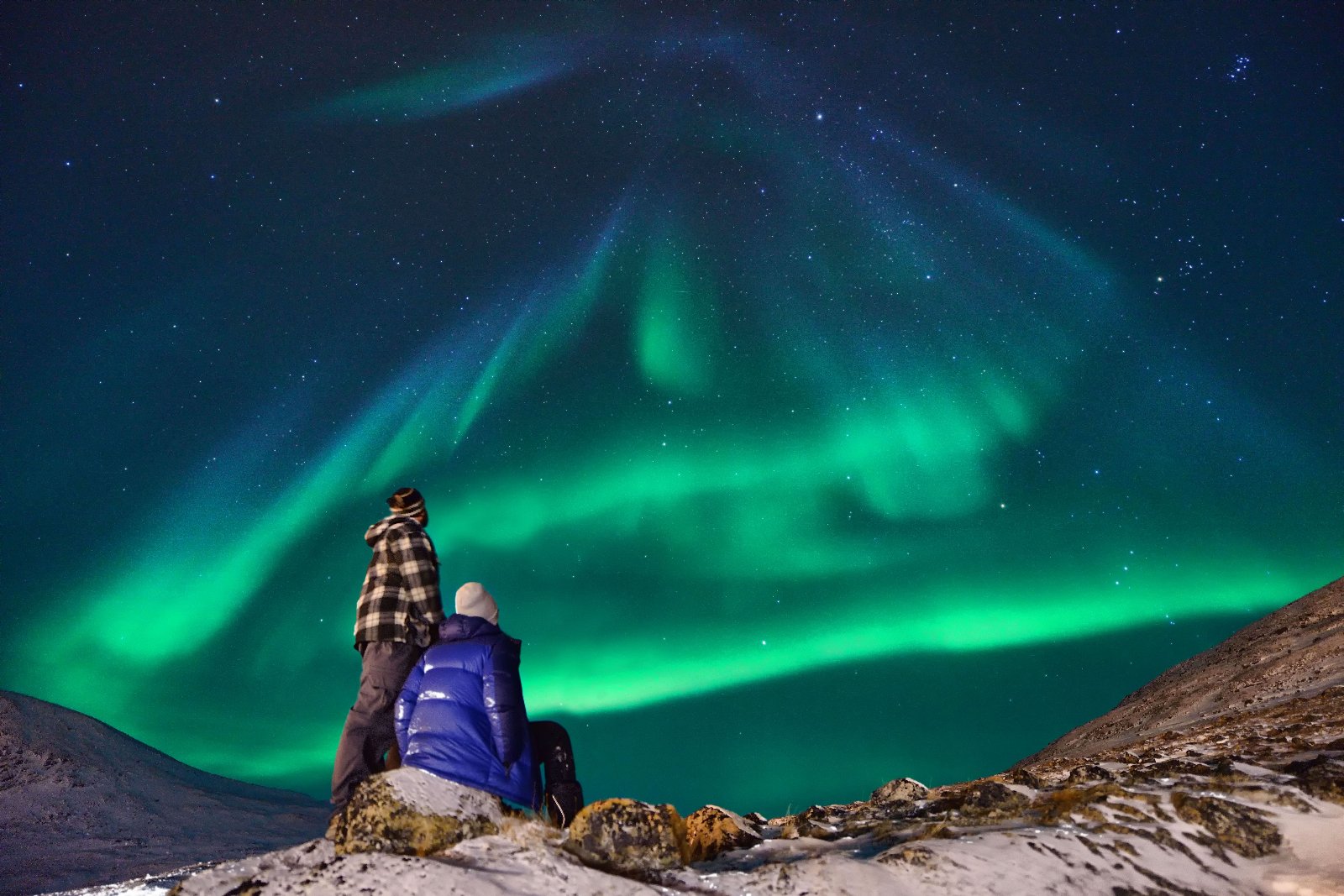
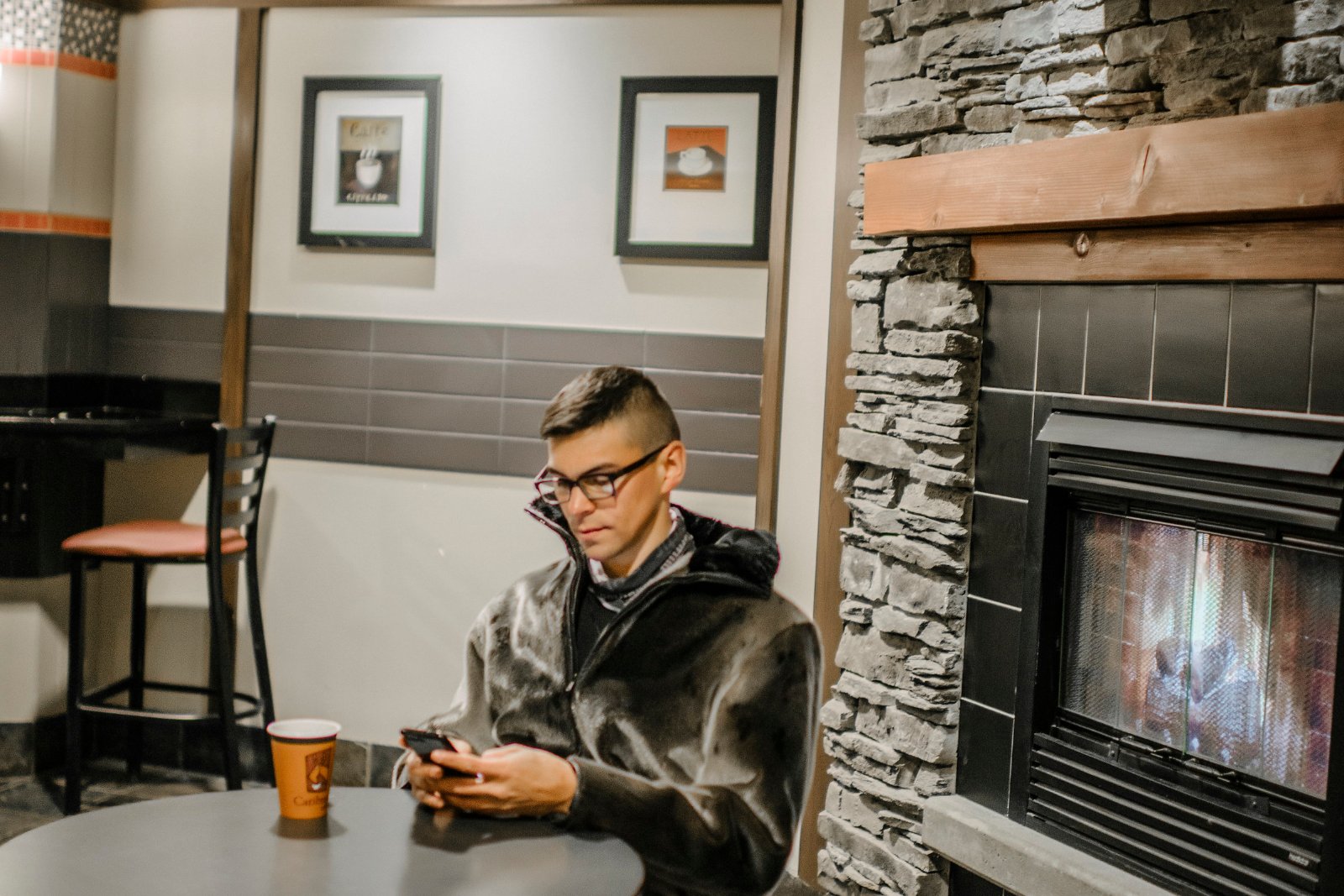
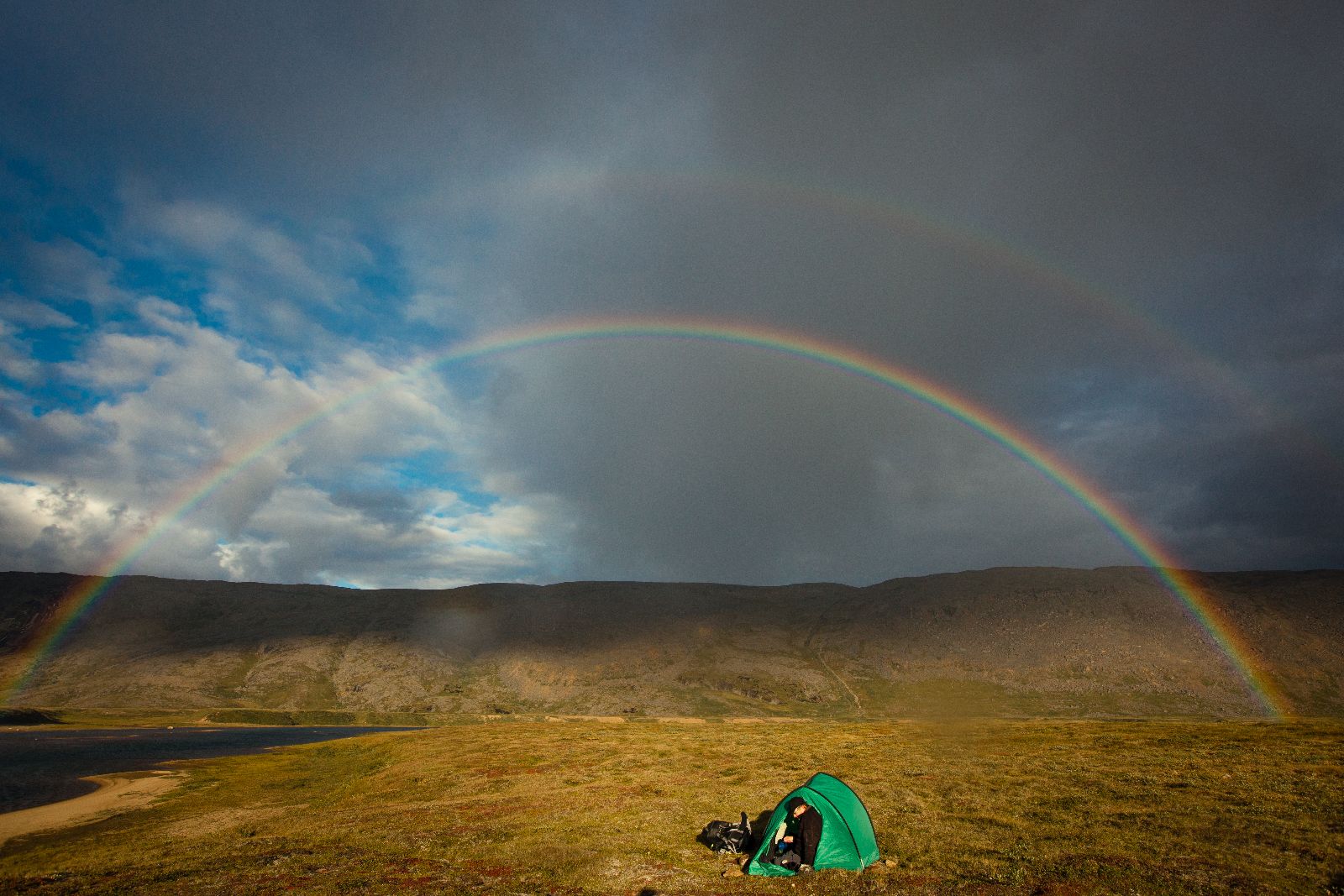
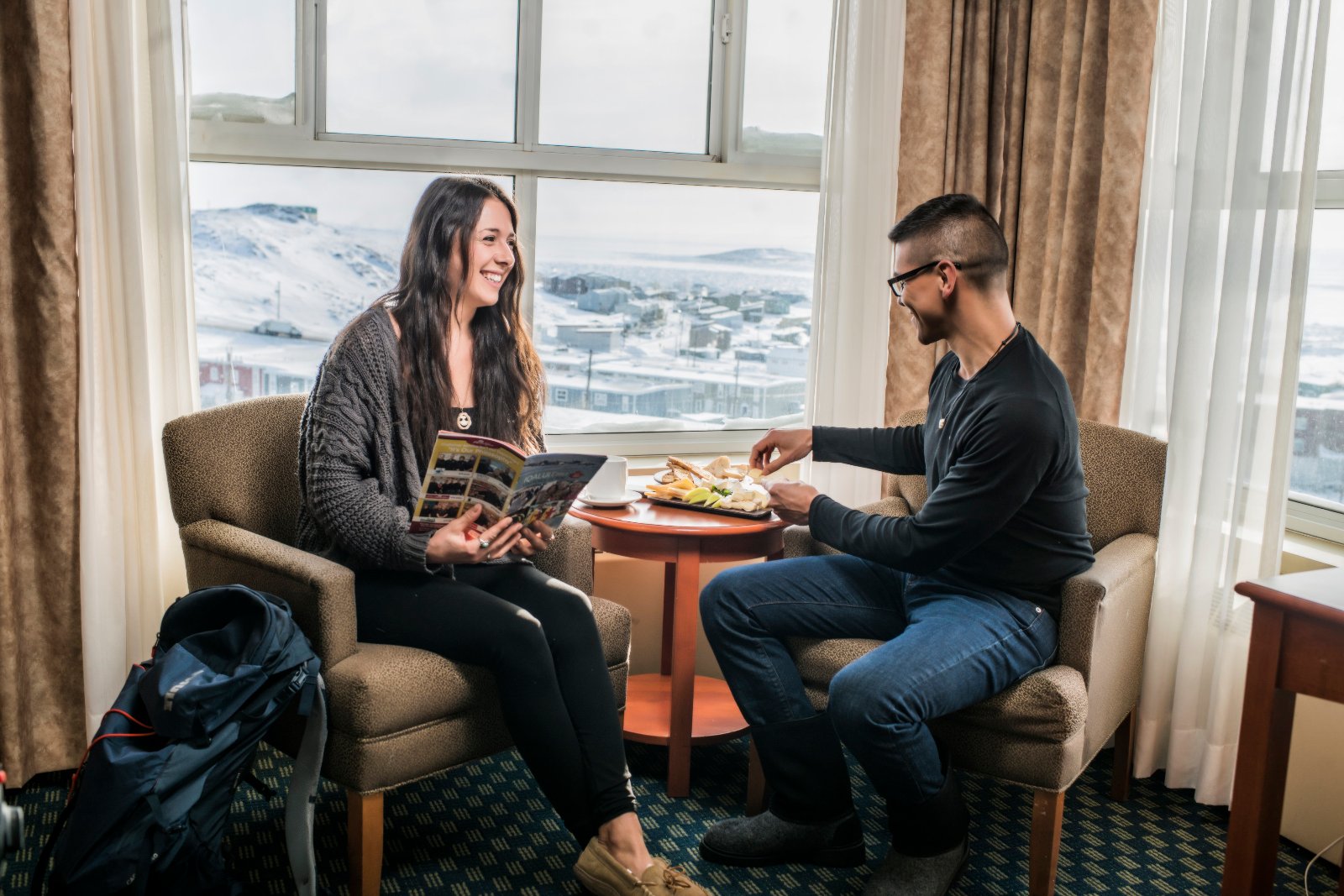
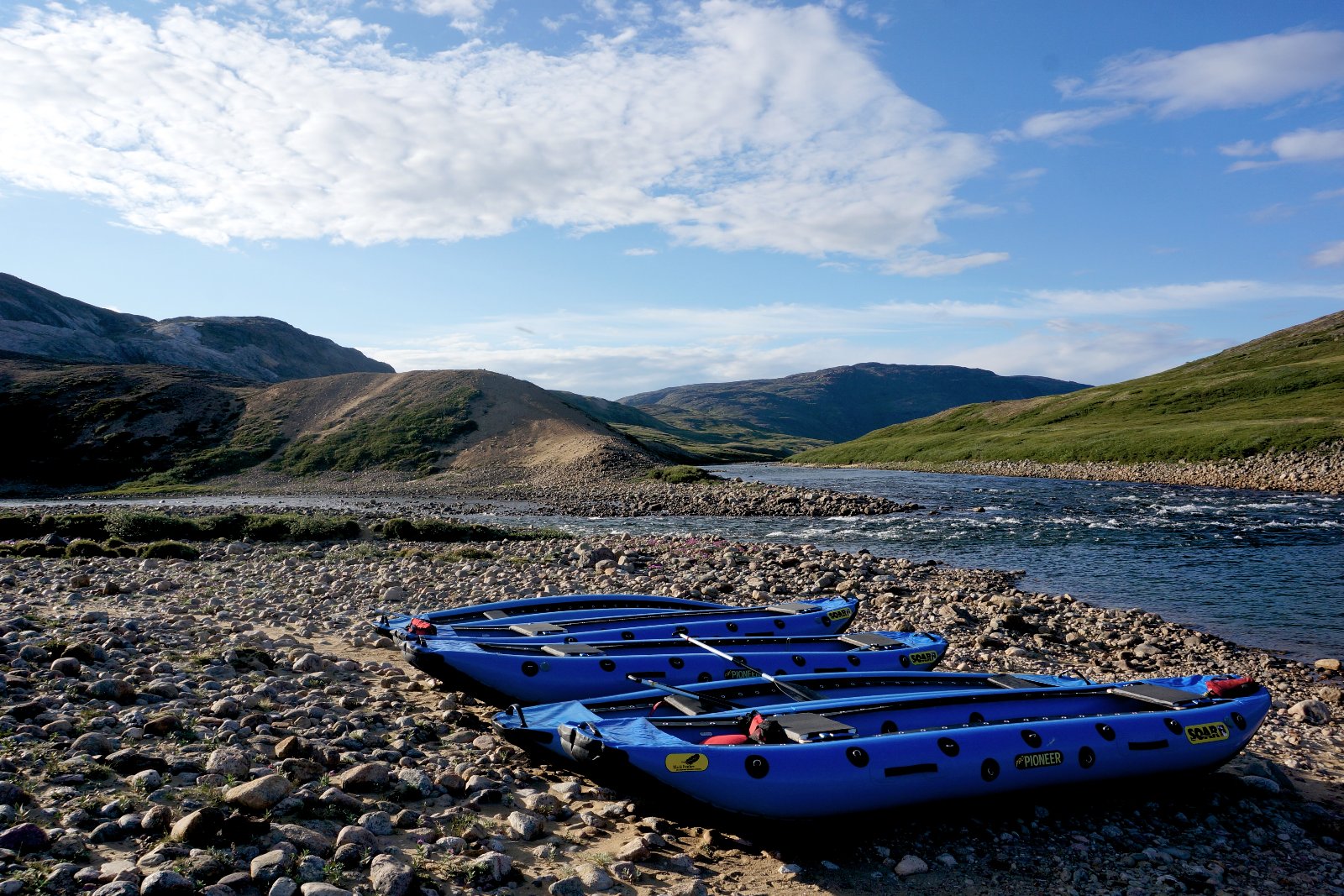
Share your Nunavut memories with us at #frobisherinn





Guest Reviews
Very Professional Staff
Very professional staff, April 13, 2022. Buddy in the front desk gave us extra time for our check out as we are leaving in the evening. Courteous staff and user friendly. Rooms are spacious and great accommodation.
Room Was Nice
Room was nice, very comfortable mattress and internet has improved from years prior.
Great place to stay
If you’re in Iqaluit, the Frobisher is a great place to stay. Staff nice, rooms not huge but good sized. The two restaurants do a solid job with nice daily specials. There’s an onsite convenience store, ATM, coffee bar, and gym. Also, if you’re working for the Nunavut gvmt, the main building is attached to the Frobisher so you don’t even have to go outside :)
Very Positive Experience
Travelling to Iqaluit for the very first time for couple of days in July, I tried to manage my expectations knowing that this part of the world is still 'unencumbered' by everything one sees and does by living in a major city in Canada. From the moment I stepped into Frobisher Inn (shuttle service available), I was impressed with the overall professional but casual enough level of service, cleanliness, room comfort and really good food at 'The Frob'. All these contributed to my very positive experience at the Frobisher and I look forward to returning for hopefully more than 2 days to explore further. Highly recomend going to experience local culture, arts and crafts, and amazing rugged scenery. On top of it, staying at this hotel provides another level of comfort one wouldn't expect in this part of the world.
Increase Your Chances to Win!

When you LIKE us on Facebook you will be automatically entered for one extra raffle ticket.
Connect and LIKE us using the below link. Good Luck!